


What Nobody Tells You About Getting Sober (The Raw Truth)
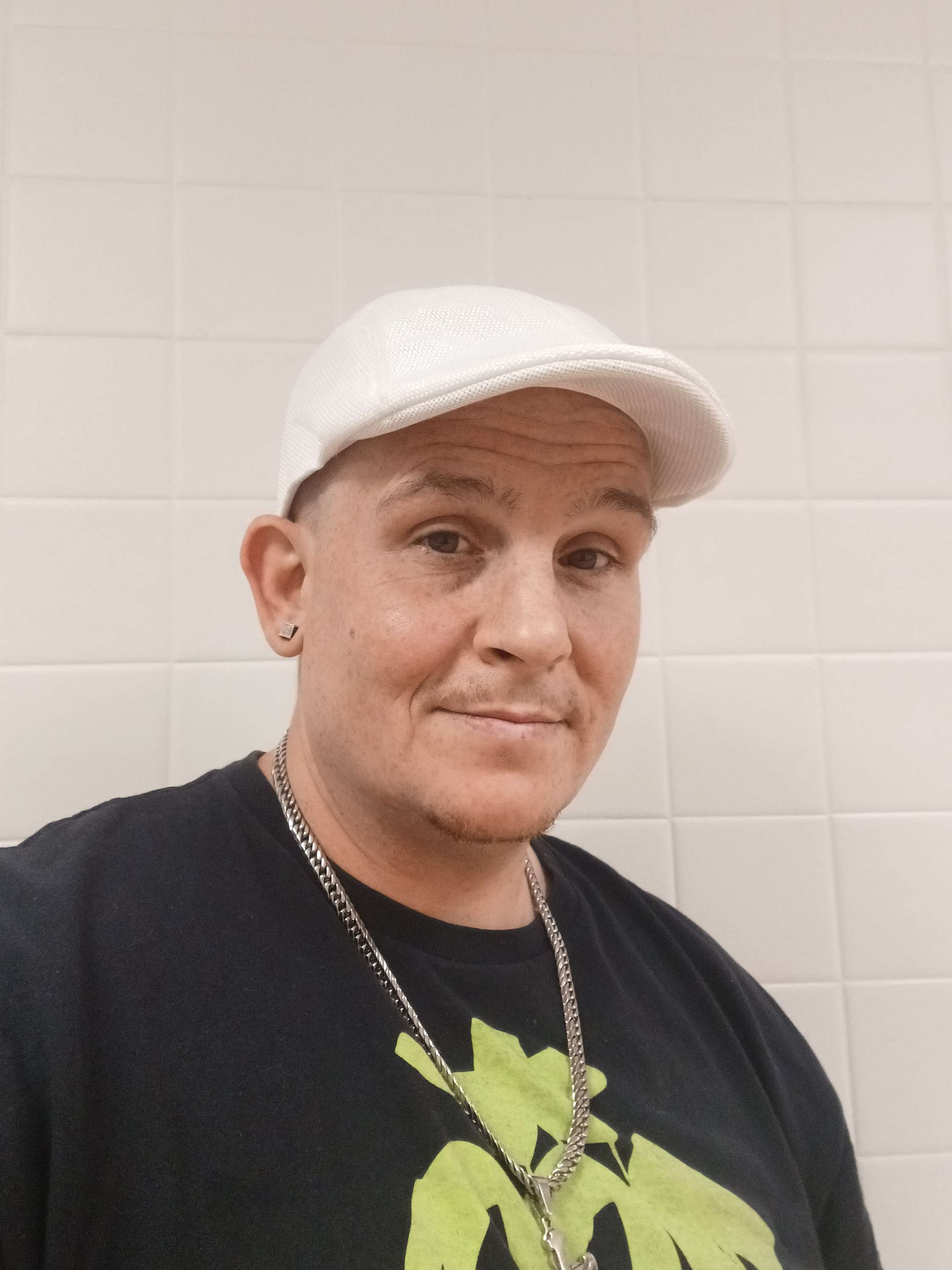
By: Michael Romano CARC | SoberSuccess Coaching

Everyone talks about sobriety like it's a finish line.
Like the moment you put down the bottle, the pill, the needle — life just magically straightens out. The family forgives you. The job comes back. The shame disappears. You smile more. You sleep better. You live happily ever after.
Nobody talks about what actually happens.
So I'm going to.
Because I was alone in an abandoned house calling out to God when I hit rock bottom. I had nothing left. No plan. No hope. Just me on the floor of that house, completely broken, begging for a way out of the life I'd built around my addiction.
And the moment I made the decision to get sober — I had no idea what was actually waiting for me on the other side. Nobody prepared me for the real journey. Not the treatment centers. Not the meetings. Not the books.
So this is me preparing you.
This is what nobody tells you about getting sober.
1. THE FIRST 30 DAYS FEEL LIKE A WAR INSIDE YOUR OWN BODY
People say "just stop drinking" like it's a decision you make once and it's done.
It's not.
Your brain has literally been rewired by addiction. The dopamine pathways, the reward systems, the way you process stress, boredom, joy — all of it has been hijacked. When you take away the substance, your brain panics. It screams. It bargains. It lies to you constantly.
"Just one time won't hurt."
"You've been good for two weeks, you deserve it."
"Nothing is going to get better anyway."
The first 30 days aren't just about not using. They're about surviving the loudest version of your own mind. It's exhausting in a way that nobody who hasn't been through it can fully understand. You wake up tired. You go to sleep anxious. You white-knuckle your way through moments that used to feel easy.
And here's the part that trips people up: they think struggling means they're weak. It doesn't. It means their brain is literally going through a chemical reorganization. That's not a moral failure. That's biology.
What helps: Having a system. Not willpower — a real, structured system that tells you exactly what to do when the craving hits. That's the first thing I built into the SoberSuccess 11-Pillar System — because willpower alone will always eventually fail. You need tools, not toughness.
2. YOUR EMOTIONS COME BACK — ALL OF THEM
Here's something nobody warns you about: substances don't just numb pain. They numb everything.
When you get sober, every emotion you've been suppressing for years comes flooding back. Joy. Grief. Anger. Love. Loneliness. Guilt. All of it — at full volume, often without warning.
You might cry at a commercial. You might feel rage at something small. You might feel so overwhelmed by happiness that it actually scares you. That last one surprised me more than anything. The joy almost felt unbearable at first — because I hadn't let myself feel it in so long.
This is called emotional sobriety — and it's a whole separate journey from physical sobriety. You can be physically clean and emotionally still a mess. Most people don't talk about that gap.
Most people relapse here. Not because of physical cravings, but because they don't know how to handle feeling things they've been running from for years. The pain they were drinking to escape? It's still there. It's been waiting.
Mindfulness — one of my 11 Pillars — is the antidote. Learning to sit with emotions without reacting to them changes everything. You stop being controlled by your feelings and start becoming someone who can observe them, process them, and move through them without losing yourself.
3. SOME RELATIONSHIPS WILL GET WORSE BEFORE THEY GET BETTER
You'd think getting sober would automatically fix your relationships. Sometimes it does. Often it doesn't — at first.
The people in your life got used to a version of you. Some of them built their entire dynamic with you around your addiction. Your sobriety changes the relationship whether they like it or not.
Some will be suspicious. Some will wait for you to fail. Some — and this one hurts — some won't be able to handle the new you at all. They preferred the version of you they could manage, manipulate, or feel superior to. Your healing threatens their comfort.
And then there are the relationships you destroyed during active addiction. Those take time. Accountability. Consistent action over months and years — not just words. You can't say sorry once and expect everything to reset. Trust is rebuilt through behavior, not promises.
I lost people I loved during my addiction. People I hurt badly. Some of those relationships never came back. That's a real grief you have to carry. But you carry it sober — which means you actually feel it, process it, and grow from it instead of drowning it.
The good news: the relationships that survive — and the new ones you build in sobriety — are the realest, deepest connections you'll ever have. Because they're built on who you actually are, not who you were performing to be.
4. BOREDOM IS ONE OF THE BIGGEST RELAPSE TRIGGERS NOBODY TALKS ABOUT
Addiction is, among other things, a solution to boredom. It fills time. It gives you something to do. It creates rituals — the drive, the call, the routine of using. There was a sick comfort in the predictability of it.
When you get sober, all that time opens up. Hours you used to fill with drinking, scoring, recovering, hiding. And if you don't fill that time intentionally, boredom becomes dangerous fast.
Early sobriety means rebuilding your entire daily structure from the ground up. What do you do on Friday nights? What do you do when you're stressed and it's 11pm and you can't sleep? What do you do with your hands when you're at a party? These sound like small questions. They're not.
I had to learn how to exist in quiet moments without reaching for something. That took real work. Journaling. Exercise. Service. Building new routines that gave my brain the stimulation it was looking for — without the destruction.
This is why the discipline and routine pillar in the SoberSuccess system matters so much. You can't just remove something from your life — you have to replace it with something real, something that actually nourishes you. Otherwise the vacuum will pull you right back.
5. YOU HAVE TO GRIEVE THE PERSON YOU WERE
This one surprises people the most.
Getting sober means letting go of a version of yourself — even a version you hated. That identity, those friendships, that lifestyle — it all goes. And even when you're desperate to leave it behind, grief is still a natural response to loss.
Some people grieve the social life. The way alcohol felt like liquid confidence in a room full of strangers. The group of friends who only knew them that way — who suddenly feel like strangers themselves. The rituals. The belonging, even if it was a broken kind of belonging.
Some people grieve the escape itself. The fact that they can no longer check out when life gets hard. That's terrifying for a lot of people. Learning to stay present through pain is one of the hardest things sobriety asks of you.
This grief is normal. It doesn't mean you made the wrong choice. It means you're human, and you're losing something that was a real part of your life — even if it was killing you.
Give yourself permission to grieve. Cry if you need to. Talk about it. Process it. Just don't let it pull you back. The life on the other side of that grief is worth it. I promise you.
6. RECOVERY IS NOT LINEAR — AND THAT'S NOT FAILURE
Some days you'll feel unstoppable. Clean, clear, strong — like you finally have your life back. Those days are real and they're beautiful.
Some days the craving comes back out of nowhere — months, even years into sobriety — and hits you like a wall. A smell. A song. A stressful phone call. And suddenly you're right back at the edge, wondering if all the work you've done even matters.
It does. Every day of sobriety matters. Every hour you chose differently built something in you that can't be taken away.
Recovery isn't a straight line up. It's a path with hills, valleys, setbacks, and breakthroughs. The people who make it aren't the ones who never struggle. They're the ones who refuse to let a bad day become a bad week. The ones who get back up every single time, no matter how many times the floor comes up to meet them.
I built the Relapse Reset guide specifically for this moment — because relapse doesn't have to mean starting over. It doesn't have to mean you failed. It means you need better tools, more support, and a clearer plan for what to do when things get hard. That's it.

7. YOU WILL BECOME SOMEONE YOU DON'T RECOGNIZE — IN THE BEST WAY
Here's the truth nobody tells you because it sounds too good to be real:
The version of you that comes out on the other side of genuine recovery is going to blow your mind.
I was told I'd never get sober. By family. By doctors. By people who had completely given up on me — and honestly, there were times I agreed with them. Today I have 6+ years of continuous sobriety. I run a coaching company. I founded a streetwear brand. I host a podcast. I built an AI recovery coach from scratch.
None of that was visible from the floor of that abandoned house.
But it was always there. The purpose. The drive. The person I was actually meant to be. It was just buried under 20 years of addiction, waiting for me to finally get out of the way.
That version of you exists too. The one who builds things. The one who shows up. The one who becomes someone their kids look up to, their community leans on, their future self is proud of.
Your comeback is coming. Don't quit before it gets here.
READY TO START? HERE'S YOUR NEXT STEP.
If anything in this post hit home — you're not alone. And you don't have to figure this out without support.
Here's what I've got for you, all free:
🆘 Cravings Emergency Toolkit — NLP techniques for when it gets real
🔄 The Relapse Reset — When you slip, this is how you get back up
🤝 Ultimate Guide to Building a Sober Support Network — You don't have to do this alone
🥗 Nutrition & Wellness Blueprint — Fuel your body for recovery
🤖 SoberSuccess AI — Free 3-Day Trial — Your 24/7 recovery coach
📞 Book a Free Discovery Call — Let's talk 1-on-1
Let's Get It Baby! 💛 — Mikey
Certified Addiction Recovery Coach | NLP Practitioner | 6+ Years Sober



Comments