


The Recovery Identity Shift: How to Rebuild Who You Are Without Substances
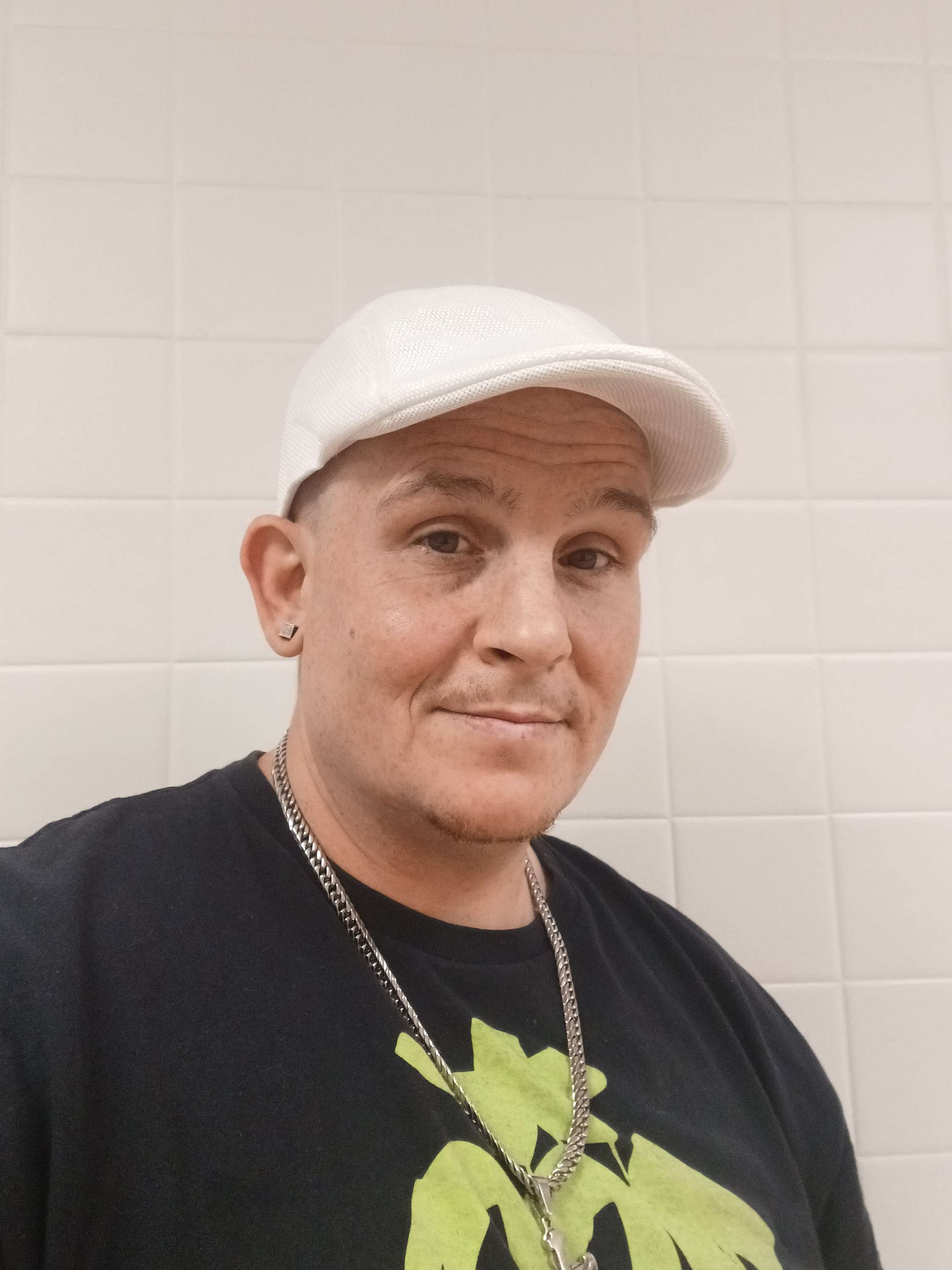
Let me tell you something nobody warns you about when you get sober: losing the substance is the easy part. The hard part? Losing the identity you built around it.
I don't mean that dramatically. I mean it literally. When I got clean, I didn't just stop using — I lost the version of myself that existed in every social situation, every stressful moment, every celebration, every quiet Tuesday night. The guy who drank at parties. The guy who used to take the edge off. The guy who had a routine built entirely around the next time I could escape.
When that version of me disappeared, I was left with a question that almost took me out: Who am I without this?
That question is the identity crisis at the center of early recovery. And almost nobody talks about it.
Why Identity Is the Hidden Trigger
Here's what the research shows: relapse isn't usually caused by a single craving. It's caused by an identity gap — the space between who you were and who you're becoming. When that gap feels too wide, the brain does what it does best: it reaches for the familiar. The old identity. The old coping mechanism.
Think about it. Every time you used, you weren't just getting high — you were reinforcing a neural pathway that said: "This is who I am. This is how I handle things." Over years, that pathway becomes your identity. Not a habit. An identity.

So when you remove the substance, you're not just breaking a habit. You're dissolving a self-concept. And the brain doesn't handle that vacuum well. It will fill it with the first thing that feels familiar — which is usually the old behavior.
This is why willpower alone doesn't work. You can't white-knuckle your way through an identity crisis. You have to build a new identity — one that's strong enough to replace the old one.
The Three Stages of the Identity Shift
Based on what I've lived and what I've watched happen to hundreds of people inside SoberSuccess, the identity shift happens in three stages:
Stage 1: The Void (Days 1-30)
This is the scariest part. The old identity is gone, and the new one doesn't exist yet. You feel like nobody. You feel like you're walking around in someone else's life. Friends who used to drink with you suddenly don't know what to do with you. You don't know what to do with yourself on a Friday night.
This is normal. This is the void. And the void is not a danger zone — it's a construction zone. You're not empty. You're cleared for renovation.
What to do in the void: Don't try to fill it with another identity right away. Resist the urge to become "the fitness person" or "the meditation person" overnight. Just sit in the emptiness. Let yourself feel the discomfort of not knowing who you are. That discomfort is the raw material for the new identity.
Stage 2: The Exploration (Days 31-60)
This is where it gets exciting. The fog lifts, and you start trying things — not because you're trying to become someone, but because you're curious. You try journaling. You try a hike. You try calling someone instead of texting. You try showing up for a friend in a way you never could before.
Each thing you try is a brick. You don't know yet which bricks will become the foundation. But you're building. And every brick you lay is proof that you can do something new — which is the first evidence that the old identity wasn't the real you. It was just the version of you that existed in survival mode.
What to do in exploration: Try everything. Say yes to things you'd normally say no to. Say no to things you'd normally say yes to. You're not committing to an identity yet — you're dating different versions of yourself to see who fits.
Stage 3: The Integration (Days 61-100)
This is where the magic happens. The bricks you've been laying start forming a structure. You notice that the morning routine isn't something you "have to do" — it's something you do because it's who you are now. The check-ins aren't homework — they're self-awareness. The community isn't a support group — it's your people.
This is what the 11-Pillar System is built for. Each pillar — Honesty, Mindfulness, Discipline, Accountability, Gratitude, Service, Patience, Imagination, Persistence — is a load-bearing wall in the new identity. When you practice them daily, they don't just change what you do. They change who you are.

And that's the shift. You stop being "a person in recovery" and start being "a person who recovers." The first is a circumstance. The second is an identity.
The 5 Practices That Build the New Identity
1. The Identity Statement
Write down one sentence that defines who you're becoming — not who you were. Not "I'm an addict in recovery." Instead: "I'm someone who faces hard things without running." Say it out loud every morning. The brain believes what it hears repeatedly. Over 90 days, this statement becomes a neural pathway. Over 100 days, it becomes a reality.
2. The Daily Check-In
The daily check-in inside the app isn't just tracking — it's identity construction. Every time you log your mood, your triggers, your gratitude, and your goals, you're telling your brain: "I am a person who pays attention to my own life." That's an identity. The person who used to escape is being replaced by the person who shows up.
3. The Service Practice
Nothing rebuilds identity faster than being useful to someone else. When you help another person in recovery — even just by sharing your story in the forum — you stop being "the person who needs help" and start being "the person who gives it." That shift is the foundation of the entire certified coach program.
4. The Creative Practice
This is Pillar 10 — Imagination, Creativity, and Vision — and it's the pillar that separates SoberSuccess from every other recovery program out there. Addiction kills creativity. Recovery revives it. When you create something, you're proving to yourself that you're more than what you survived.
5. The Community Mirror
You cannot build a new identity alone. You need people who reflect back the version of you that you're becoming — not the version you were. That's what the community forum is for. When someone says "Your story helped me," they're confirming the new identity.
The Question That Changes Everything
Early in my recovery, someone asked me a question that reframed everything: "If you weren't using, who would you be?"
At first, I didn't have an answer. The question scared me. It meant there was a version of me I'd never met — someone who existed underneath the addiction, someone I'd buried so deep I forgot he was there.
Recovery is the process of meeting that person. Not all at once. Slowly. Through daily practice, through community, through the 11 pillars, through the 100 days of choosing to show up even when you don't know who you're showing up as.
You don't have to know who you're becoming. You just have to keep showing up. The identity builds itself through the practice.
Start Building Today
If you're in the void right now — if you're sober but you feel like a stranger in your own life — that's not a sign you're doing it wrong. It's a sign you're doing the hardest, most important work of recovery. You're building a self worth staying sober for.
Start your free 3-day trial at SoberSuccessAI.com and get access to the 11-Pillar System, daily check-ins, an AI coach available 24/7, and a community of people building new identities right alongside you.
The person you're becoming is worth the work. Let's build them together.
Let's Get It Baby! 💛
— Mikey


Comments